-
Opening Time
Mon To Sat - 9:00 am To 10:00 pm
-
Call Anytime
-
Send Email
-
Get Location
Ulwe, Navi Mumbai.
Speciality
- Treatments
- Pregnancy & High Risk Pregnancy Care
- Post - Delivery Care
- Normal Delivery / Cesarean Delivery
- Preconception Counseling
- Abortion Care
- Management Of Menstrual Problem
- Management Of PCOS
- Management Ovarian Cyst & Other Ovarian Disease
- Management Of White Discharge
- Management Of Fibroids
- Infertility Treatment
- Laparoscopy & Hysteroscopy
- Hysterectomy
- Pathology
- Sonography
- All Type Of Gynaec Surgery
Management Of Fibroids
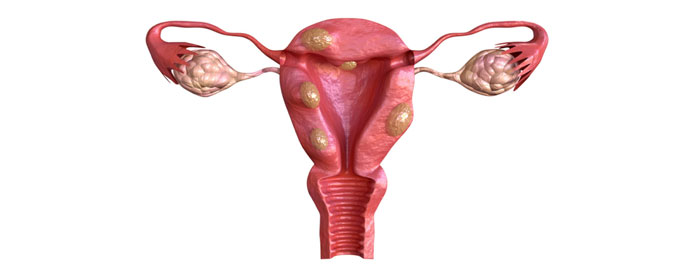
Fibroids are benign (non-cancerous) tumors that grow in or on the uterus. They are common among women of reproductive age, particularly those between 30 and 40 years old. The exact cause of fibroids is not fully understood, but they are believed to be influenced by hormonal factors, particularly estrogen and progesterone. Fibroids can vary in size, ranging from small, seed-like growths to large masses that can distort the shape of the uterus. Many women with fibroids experience no symptoms, while others may have heavy menstrual bleeding, pelvic pain or pressure, frequent urination, or difficulty getting pregnant.
Management of fibroids depends on their size, location, symptoms, and whether the woman plans to preserve fertility. In many cases, fibroids do not require treatment unless they cause significant symptoms. Non-surgical treatments such as medications to manage bleeding or pain may be effective. Surgical options like myomectomy (removal of fibroids) or hysterectomy (removal of the uterus) may be recommended for more severe cases or for women who no longer wish to have children. In some cases, less invasive treatments like uterine artery embolization or MRI-guided focused ultrasound may be options to shrink fibroids.
Types of Fibroids
- Submucosal: Grow just beneath the lining of the uterus and can affect fertility.
- Intramural: Grow within the wall of the uterus, causing enlargement and pain.
- Subserosal: Grow on the outer surface of the uterus and may cause pelvic pressure or discomfort.
- Natural vaginal cleaning and protection.
- Pedunculated: Attach to the uterus by a stalk or stem and can cause torsion or pain.
Symptoms Of Fibroids
- Heavy or prolonged menstrual periods.
- Pelvic pain or pressure.
- Frequent urination or constipation.
- Pain during intercourse.
- Infertility or pregnancy complications (in some cases).
