-
Opening Time
Mon To Sat - 9:00 am To 10:00 pm
-
Call Anytime
-
Send Email
-
Get Location
Ulwe, Navi Mumbai.
Speciality
- Treatments
- Pregnancy & High Risk Pregnancy Care
- Post - Delivery Care
- Normal Delivery / Cesarean Delivery
- Preconception Counseling
- Abortion Care
- Management Of Menstrual Problem
- Management Of PCOS
- Management Ovarian Cyst & Other Ovarian Disease
- Management Of White Discharge
- Management Of Fibroids
- Infertility Treatment
- Laparoscopy & Hysteroscopy
- Hysterectomy
- Pathology
- Sonography
- All Type Of Gynaec Surgery
Management Of PCOS
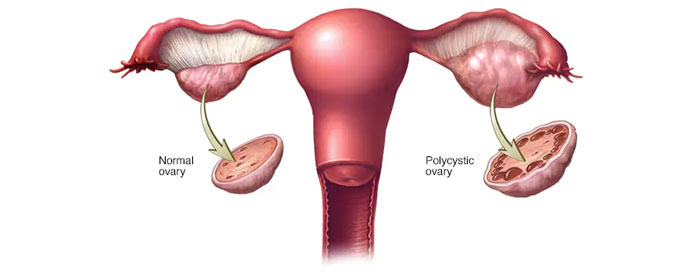
Polycystic Ovary Syndrome (PCOS) is a common hormonal disorder that affects women of reproductive age and is associated with irregular menstrual cycles, excessive androgen levels, and polycystic ovaries. Managing PCOS focuses on alleviating symptoms, reducing health risks, and improving fertility where needed. Lifestyle changes, such as maintaining a healthy diet, regular exercise, and weight management, are foundational in managing PCOS as they help regulate hormones, improve insulin sensitivity, and promote overall health. Medical management includes hormonal treatments like oral contraceptives to regulate periods and anti-androgen medications to manage excessive hair growth or acne. For women seeking to conceive, ovulation-inducing medications like clomiphene or letrozole may be prescribed. Long-term management also involves addressing associated risks such as diabetes, cardiovascular disease, and mental health challenges. A multidisciplinary approach tailored to individual needs is essential for effectively managing PCOS.
Medical Treatment
- Hormonal Therapy
- Insulin-Sensitizing Agents
- Ovulation Induction (for infertility)
- Androgen Management
Long-Term Management
- Regular screening for diabetes, high blood pressure, and cholesterol levels.
- Monitoring mental health for anxiety or depression, common in PCOS.
- Support groups or counseling for emotional and psychological support.
